Effectively preparing for an oral presentation, especially for a client interview or an exam, can seem intimidating. However, with a good strategy, especially through mock interviews, it’s possible to approach this stage with confidence. In 2025, where professional competition continues to intensify, mastering the art of interviewing is becoming an essential skill. Whether it’s to land a job at Boulanger or Decathlon, or when training for an interview with La Poste or Carrefour, regular practice allows you to refine your skills and stand out. But how do you actually go about it? The key lies in real-life situations, often through mock interviews, which provide true immersion and prepare you for all possible situations. The difference between an average candidate and a professional who feels comfortable during an oral presentation often lies in preparation, rehearsal, and analyzing your weaknesses.
Why mock customer interviews are essential for mastering oral presentations
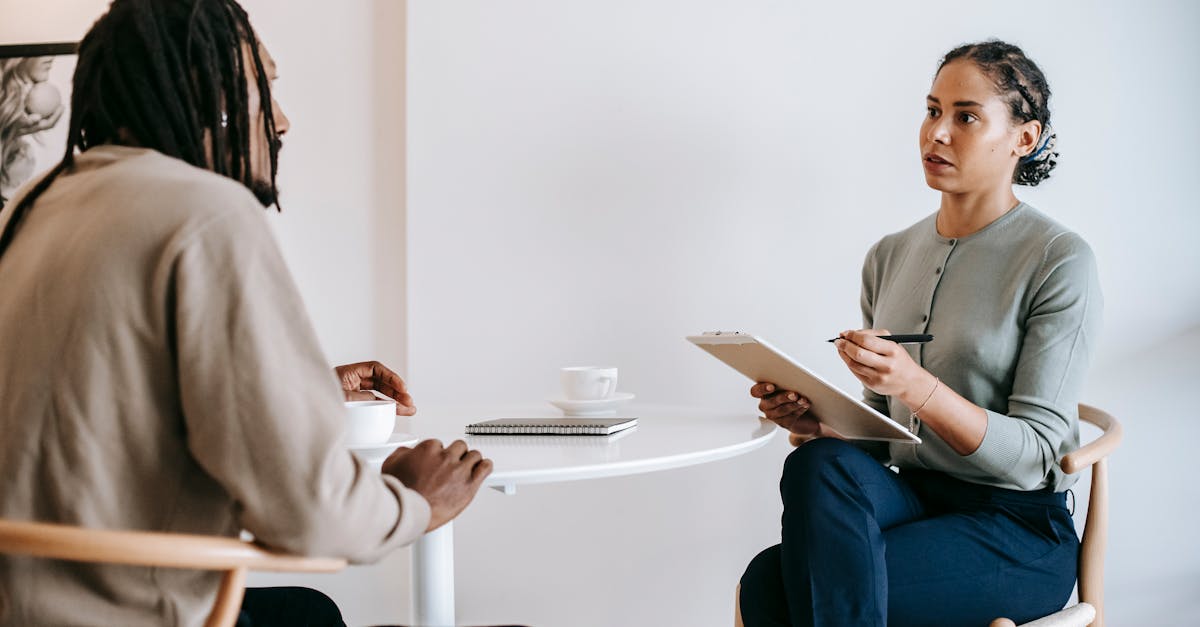
Mock interviews play a vital role in the success of a professional or academic oral presentation. They allow you to transform theory into practice, giving candidates a clear vision of what they need to improve or strengthen. Why should we favor this method over simple theoretical revision? The answer is simple: the simulation reproduces the real-life context, with its unforeseen events, trick questions, and precise expectations. In 2025, where oral fluency is often synonymous with success, knowing how to respond quickly, confidently, and appropriately is becoming a strategic skill. Preparing by rote is no longer enough in a world where adaptability and creativity count as much as knowledge. A mock interview also helps reduce anxiety and increase self-confidence, two crucial elements in oral communication.
The undeniable benefits of simulations
Customer interview simulations offer a multitude of benefits that would be a shame to overlook:
- 🗣️ Improved oral expression: Learn to express yourself clearly and fluently.
- 🎯 Increased self-confidence: Become familiar with stress and unexpected questions.
- 🔍 Identify weaknesses: Identify your weaknesses precisely and work on them.
- 📝 Gain a better understanding of your documents: CV, cover letter, job description, etc.
- 🤝 Handling objections: Practice responding effectively to criticism or difficult questions.
To illustrate this, we can take the example of a student preparing for an interview for a position at Leroy Merlin or Monoprix. The simulation allows them to test their presentation, reformulate their ideas, and master their gestures and vocabulary, ultimately presenting themselves as a credible and convincing candidate. If we give ourselves the means, these practices can make all the difference during the real test.
How to organize an effective simulation session to prepare for your oral presentation
For a mock interview to be truly beneficial, it must be well-supervised and structured. Rigorous organization from the outset guarantees a rewarding experience. How should we proceed concretely? The first step is to clearly define the objective of the session: practice answering classic questions like “Tell me about yourself” or “Why do you want to work at Carrefour?” Next, prepare the scenario: choose the position, review the offer, and prepare standard documents such as a CV, cover letter, and a description of the recruiting company or organization. Ideally, several participants should be involved: those who play the role of the recruiter, others the candidate, with a rotation so that everyone can practice in both positions.
| Step | Objective | Concrete Actions |
|---|---|---|
| Define the Context | Simulate a Real-Life Client or Professional Interview | Choose the Position, Review the Offer, Prepare Documents |
| Carry Out the Role-Play | Practice the Prepared Scenario | Group Simulation, Role of the Recruiter and Candidate, Immediate Feedback |
| Analyze and Improve | Self-Assess and Adjust Your Answers | Constructive Feedback, Identify Areas for Improvement, Rehearse |
Tips for Successful Simulations
To ensure everything goes smoothly, here are some tips:
- 🤝 Play multiple roles to practice in different contexts.
- 📝 Prepare standard documents in advance: CV, cover letter, job description.
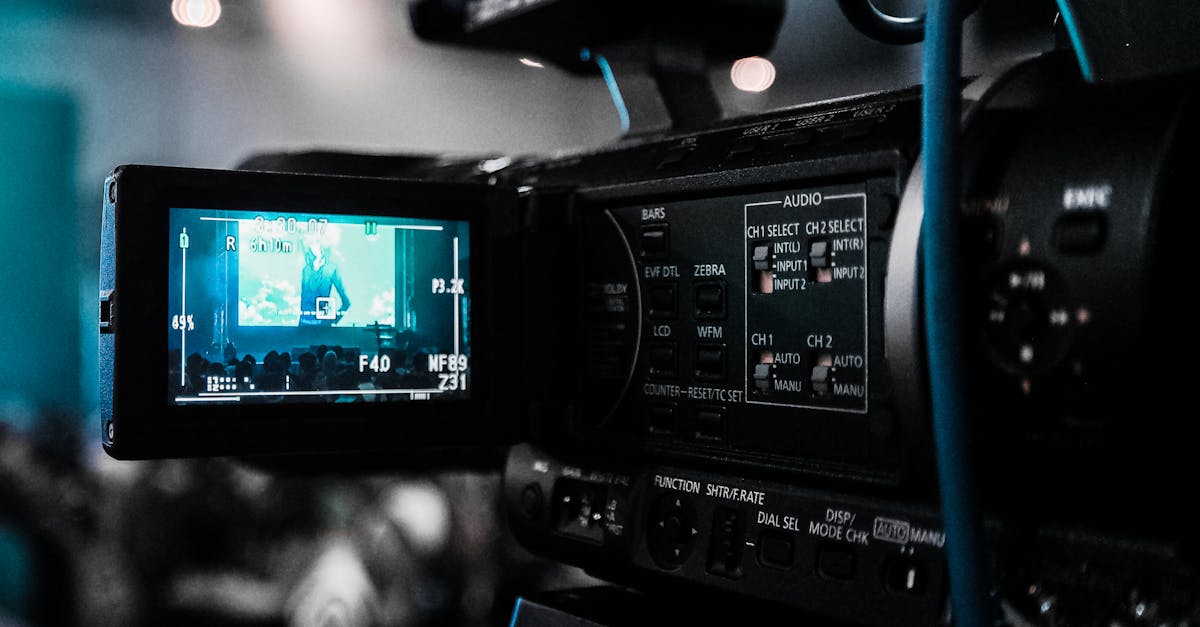
- 🤔 Film yourself or play back your answers for self-correction.
- 💡 Vary the questions and situations so you’re not satisfied with approximate answers.
- 🎯 Set specific objectives for each session: improve your speaking skills, better respond to objections, etc.
The essential tools for a successful mock interview
In a context where digitalization facilitates certain learning processes, simulation cannot be done without the right tools. Which ones really make a difference in 2025? Here’s a powerful selection:
- 🖥️ Interactive platforms: like those used by Darty or La FNAC, to create realistic scenarios.
- 📹 Need to film yourself? Use simple tools to film your answers, then analyze your gestures and delivery.
- 📝 Sample question sheets: available in most establishments, or directly on sites like Onisep.
- 💻 Online simulators: specialized software, often integrated into training programs, that adapts questions to the candidate’s profile, like those from Carrefour or Intermarché.
- 🎥 Explanatory videos: to use simulations with professionals or managers in companies as examples.
These tools allow for varied experiences, adaptation to each profile, and increased confidence before the big interview. For example, in the retail sector, practicing with targeted questions, such as those prepared for a position at Système U, allows you to be prepared for all eventualities.
Mistakes to Avoid When Practicing Mock Interviews
When practicing, certain pitfalls often crop up and can hinder progress. What are these mistakes, and how can you avoid them? Here’s a list:
- 🚫 Sticking to “copy and paste” answers, without adapting them to the specific question.
- 📝 Neglecting to prepare your documents: CV, cover letter, job description, etc.
- 🎯 Focusing solely on your strengths, avoiding flaws or areas for improvement.
- 🤝 Not asking for feedback, or not receiving it well. 🕒 Limit practice to a single session, without regular rehearsal to consolidate what you’ve learned.
- How can you correct these mistakes?
To progress quickly, it’s essential to diversify situations, provide targeted feedback with a trainer or a peer, and, above all, don’t hesitate to film yourself to see your true reflexes. Sometimes, a simple change in posture or tone can make all the difference during a real interview. Perseverance and consistency remain the key to turning these mistakes into strengths.
Discover how mock interviews can effectively prepare you for your future job interviews. Learn key techniques and receive expert advice to improve your performance and maximize your chances of success.

Repetition is often the key to oral proficiency. But that’s not all: you also need to analyze your performance to understand and adjust. What can you do to optimize these two aspects? Here are some ideas:
Action
| Objectives | Concrete examples | Regular repetition |
|---|---|---|
| Consolidate your skills and improve your fluency | Practice every week, play the same role in different scenarios | Video self-assessment |
| Identify errors in posture, delivery, or intonation | Film yourself during an interview and then review the video to adjust | External feedback |
| Get an outside perspective to progress faster | Have your answers listened to by a teacher or a peer, such as at Leroy Merlin or Intermarché | Analyze your progress |
| Measure your progress over time | Compare your recordings several weeks apart | Recommended practice |
Some experts recommend playing the same scenario repeatedly, then gradually changing it to test your adaptability. Spaced repetition, combined with feedback, helps you sustainably integrate best practices and reduce stress during the actual interview. In this process, the help of a coach or mentor, such as a former La Poste recruiter, can accelerate progress.
Psychological Predispositions for a Successful Oral Presentation
Beyond technical preparation, psychology plays a crucial role in success. How can you manage stage fright, anxiety, or fear of failure? What strategies can you incorporate to feel ready on the big day? The answer lies in self-control and a few simple but effective techniques. Positive visualization, deep breathing, and encouraging affirmations can help you approach the test with serenity. Sometimes, all it takes is a little confidence boost, such as during an interview at Decathlon or FNAC, to make all the difference. Regular practice, through simulations, also helps de-dramatize this stage, which most candidates dream of turning into an opportunity rather than a source of anxiety. Tools to Build Self-Confidence
🧘♀️ Breathing Exercises and Meditation
🎤 Simulations with a Mirror or Recording
- 🙌 Visualizing Success
- 🤝 Discussions with a Mentor or Professional Coach
- Finally, keep in mind that confidence is built through experience. The more simulations you practice at home or in class, the more you reduce your stress. After all, a prepared candidate is a confident candidate, ready to take on any challenge, even those in the competitive sector like Système U or Monoprix.
- Frequently Asked Questions About Preparing for an Oral Interview Using a Mock Interview
Why is it recommended to practice the same scenario several times?
Because it helps strengthen memory, improve fluency, and reduce anxiety related to the unknown.
- What type of feedback is most useful after a mock interview? Constructive, precise feedback, focusing on both content (answers, arguments) and form (gestures, tone).
- Should you film your simulations?
- Yes, it facilitates self-analysis and allows you to identify concrete areas for improvement.
- How many sessions are needed to be ready?
- There’s no fixed number, but regular practice over several weeks often yields good results.
- How can simulations be adapted to different sectors, such as retail or banking?
- By personalizing questions and scenarios, and incorporating specific case studies, such as responding to criticism during an interview at Intermarché or Carrefour.