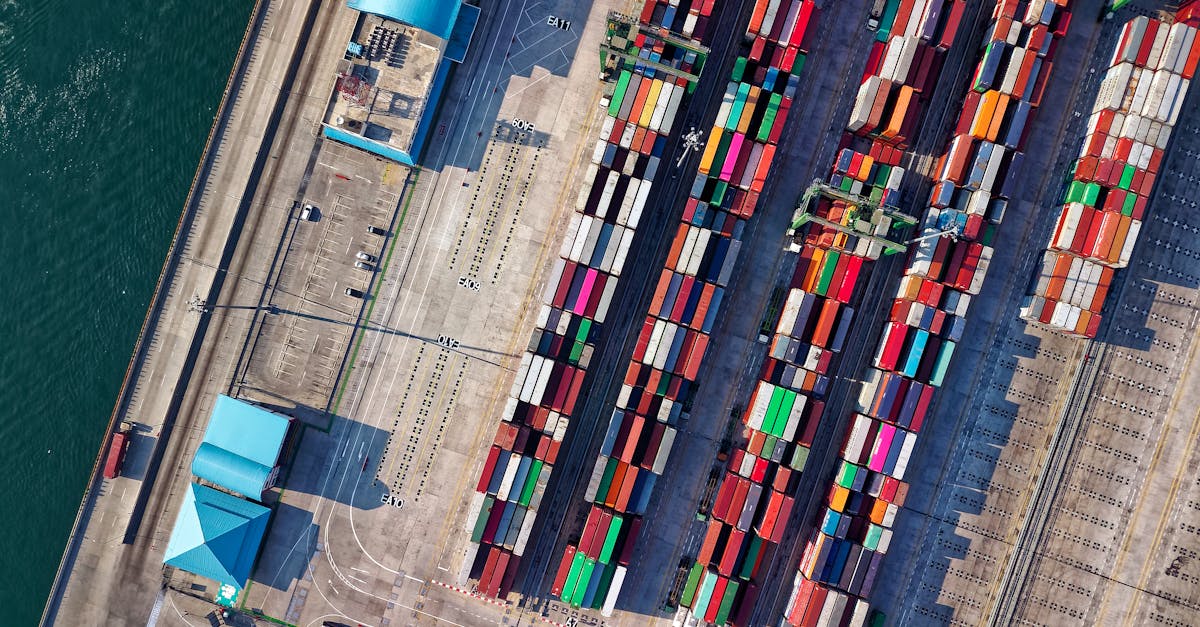
Working in a French exporting company in 2025 means immersing yourself in a world that is both dynamic and complex. With globalization constantly accelerating, these organizations play a key role in the national and global economy. Whether in logistics, marketing, or sales management, each position requires a solid understanding of international issues. The rise of giants like Airbus, Danone, and TotalEnergies demonstrates how vital exporting is to the growth of large French companies. But then, what skills are required to join such an organization, and what challenges do professionals face on a daily basis? All these questions deserve to be explored to better understand the workings of these companies that make France shine around the world.
Why choose to work in a French exporting company?
Starting a career in a French exporting company means entering a promising sector, full of promise and opportunity. In 2025, the economic climate is pushing more and more French companies to expand internationally to face globalized competition. Some, like Pernod Ricard and Saint-Gobain, see this as an opportunity to strengthen their position in Asia or America by adapting their products to local markets. Working in this field also means gaining valuable experience in intercultural management, international negotiation, and mastering customs regulations. Diversification of professions is also a strength. Whether in sales, logistics, finance, or marketing, there’s a place for every profile. Especially since, according to a study conducted this year, the export sector is experiencing annual growth of 4%, which opens up numerous job opportunities.
Key Jobs in an Exporting Company and Their Specific Features
What are the key jobs that make a French exporting company tick? The answer is rich and varied. Key positions often include:
- 📝 Export Manager : They manage the international sales strategy, prepare financing applications, and negotiate with foreign partners.
- 🚚 Logistics Manager : They manage the supply chain, monitor costs and deadlines, while avoiding unpleasant customs surprises.
- 💼 Compliance Officer : They ensure that all documents and products comply with the standards of the target markets, thus avoiding sanctions.
- 🌍 Intercultural Coordinator : They facilitate communication between the company and its foreign partners, understanding cultural and linguistic nuances. 💻
- Market Analyst : They study trends and competition, and propose strategies for effectively penetrating new markets. This range of roles is even broader in large organizations like Renault or Airbus, where coordination between different divisions is essential. Success depends on the complementarity of these profiles.
Position
| Main Duties | Key Skills | Examples of French Companies | Export Manager |
|---|---|---|---|
| Define the commercial strategy and manage international contracts | Negotiation, project management, foreign language proficiency | Dassault Systèmes, Pernod Ricard | Logistics Manager |
| Organize transportation, manage customs compliance, optimize costs | Organization, regulatory knowledge, rigor | TotalEnergies, Bolloré Logistics | Compliance Officer |
| Verify the regulatory compliance of products and documents | Rigor, attention to detail, regulatory knowledge | Saint-Gobain, L’Oréal | Intercultural Coordinator |
| Facilitate communication and negotiate with foreign partners | Cultural sensitivity, language proficiency, diplomacy | Renault, Airbus | Market Analyst |
| Study the competition and propose entry strategies | Analysis, curiosity, ability to synthesize | Pernod Ricard, Danone | Essential skills for entering the export sector in 2025 |
If you’re considering a career in a French export company, do you know what skills are really in demand in 2025? The answer isn’t just foreign language proficiency, although that’s a definite advantage. Recruiters are primarily looking for versatile profiles capable of adapting quickly to changing environments. Here is a non-exhaustive list of key skills:
🌐
- Foreign language proficiency: English remains the universal language, but knowing Spanish, Chinese, or Arabic can make all the difference. Improving your language skills Learn more about language proficiency . Analysis and strategic thinking: Being able to study the market and propose innovative strategies, particularly in light of changing geopolitical circumstances.
- 🤝 Negotiation skills : Being able to convince and establish lasting collaborations in sometimes very different environments.
- 🚀 Flexibility and adaptability : Faced with different standards, regulations, and local cultures, you must be able to adapt quickly.
- 🧮 Knowledge of digital tools : Proficiency in Excel, ERP, and management solutions like Attic Plus Metri is essential for monitoring operations and performance.
- These skills allow professionals to strengthen their added value. This is especially true since certain sectors, such as aeronautics at Airbus or cosmetics at L’Oréal, also require advanced expertise in regulatory compliance and logistics management. The key is to continue training and constantly stay abreast of developments. Discover everything you need to know about exporting: the processes, regulations, and strategies for international success. Optimize your business and access new markets with our essential advice. Administrative and regulatory procedures for exporting in 2025 Exporting in 2025 isn’t just a matter of business strategy. You also need to master a number of administrative procedures. The first step is to fully understand the role of documents such as the export invoice, the certificate of origin, and the customs declaration. All of these elements ensure compliance and avoid potential customs or tax penalties. Here is a list of the main steps: 📝 Prepare a detailed export product sheet, by following this link
Product sheet for export

🛃 Obtain the necessary customs documents, including certificates of origin or other certifications depending on the destination.
💻 Comply with safety and hygiene standards, especially if you are exporting food or pharmaceutical products.
- 🔄 Comply with the General Data Protection Regulation (GDPR) for any transaction involving personal data. At the same time, some companies like TotalEnergies and Pernod Ricard are investing in digital solutions to automate these procedures, making the process faster and less error-prone. To better master these steps, it is recommended to take professional training courses or consult specialized guides like the one offered on “Preparing Your Export Project Oral Presentation.”
- Discover everything you need to know about exporting: procedures, regulations, practical advice, and best practices for international success. Optimize your foreign sales and grow your business with our essential resources.
- Training and Certifications for Success in Exporting
- In 2025, the export sector will require high-level skills and solid training. Many paths exist to specialize or strengthen your knowledge, particularly through professional diplomas or certifications. For example, a BTS (Higher National Diploma) in International Trade or a specialized Master’s degree can make a difference when applying to Renault or Saint-Gobain. But before choosing your path, what exactly do you need to learn?
- 🎓
Initial training : BTS (Higher National Diploma) in International Trade, Master’s in International Business, or business school diplomas with an international focus.💼
: CACES (Certificate of Excellence in International Trade) for logistics, customs certification, or training in intercultural negotiation.
📝
- Specialized training : Risk management, regulatory compliance, or logistics operations management, for example. Careers after a BTS (Permanent Contract)
- via this link. Large French companies also often offer work-study or in-house training programs to support their international growth. Staying up-to-date with new practices, particularly in the use of digital tools, remains a prerequisite for advancing in this rapidly changing sector. Partners like Dassault Systèmes, for example, offer collaborative training platforms, allowing you to better prepare for your future roles. Challenges and Opportunities for Young Professionals in 2025
- What are the real obstacles and opportunities for a young person looking to advance in the export sector in 2025? The current context, marked by rising environmental and geopolitical challenges, requires new strategies. However, opportunities are also numerous, particularly in sectors such as aeronautics, cosmetics, and mass retail. French companies such as LDLC, Renault, and BNP Paribas often offer internships, work-study programs, or permanent positions to support this new generation in its international expansion. Key challenges include: 🌍 Understanding constantly evolving international regulations. ⚖️ Managing risks related to currency fluctuations or trade tensions. 🤝 Mastering intercultural skills in a multilingual context.🚀 The ability to innovate and adapt quickly to volatile markets, particularly in the post-pandemic context.
To meet these challenges, you must pursue continuous training, surround yourself with mentors, and seize every opportunity for international experience. All of this fosters a career rich in meaning and impact, especially in a sector as vital as French exports in 2025. Large companies such as Airbus and TotalEnergies offer career paths directly related to these challenges, while also providing resources such as workshops or online training on export strategy.
Frequently asked questions about working in a French export company
What are the average salaries in the export sector in 2025?
Salaries vary greatly depending on the position, experience, and company size. On average, an export manager can expect to earn between €45,000 and €70,000 per year, while a logistician generally starts around €30,000.
- What are the essential personal qualities? 👉 Curiosity, adaptability, interpersonal skills, and fluency in foreign languages. Resilience in the face of unforeseen circumstances is also essential.
- How can you prepare for an international career?
- Pursue ongoing training, gain experience abroad, and integrate into professional networks such as the one for
- Laboratory Health and Safety Regulations
- health and safety regulations
in the sector. What are the main challenges for 2025?Geopolitical tensions, the ecological transition, and the digitalization of the sector are at the heart of the major issues. The ability to anticipate and innovate remains the best weapon for success.


