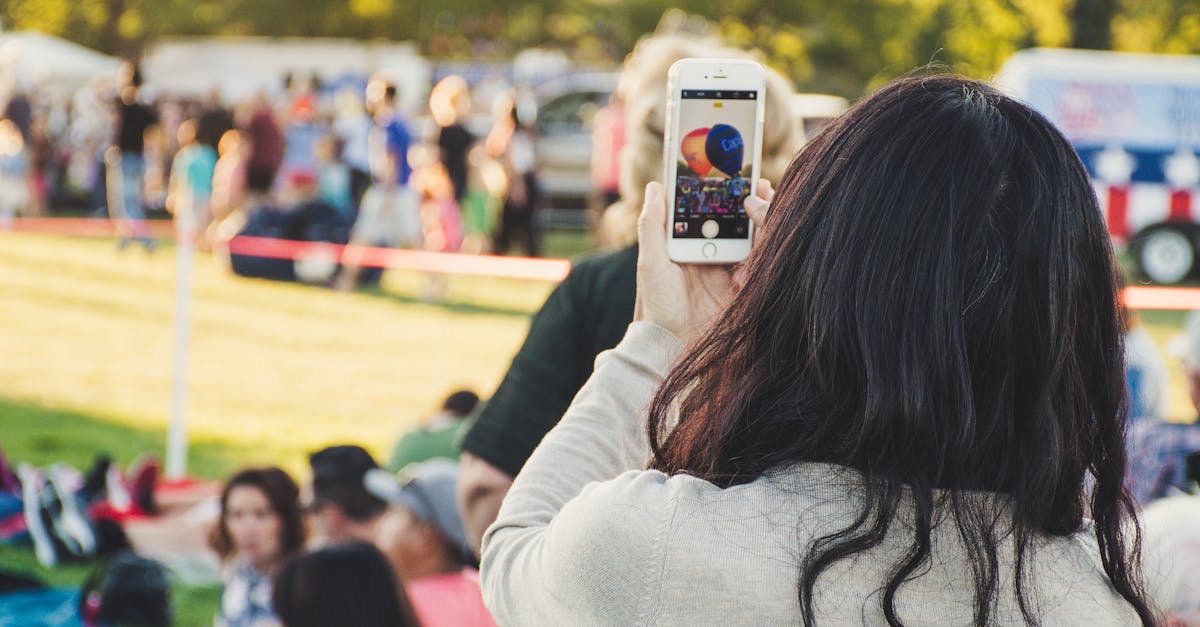
The Challenges and Issues of Successfully Capturing a Real-Life Event
Organizing the video capture of an event in real-life conditions is often a race against time. We consider everything, from equipment to logistics, including image and sound quality. But we often wonder: how can we ensure a faithful retransmission of the moment, without compromising authenticity or professionalism? Even more so, given the diversity of events—whether it’s an outdoor concert, a conference in a large venue, or a festival in the great outdoors—each situation poses its own challenges. During these moments, every detail counts. The right equipment, preparation, and the ability to handle the unexpected will make the difference between a paranormal capture and a failed one.
In a context where videography is evolving rapidly—from simple smartphones to Canon or Sony 4K cameras—it becomes essential to choose the right tools. Having reliable equipment, just like their professional counterparts, may seem obvious, but coordination is also key. The recording must remain faithful to the atmosphere, capture emotions without artifice, while remaining seamless for viewers online or in replay. In 2025, live streaming or instant uploading has become a strategic issue, whether for brand awareness, loyalty, or internal communication.
Especially since a successful event also depends on technical mastery, lighting and sound management, as well as the ability to anticipate weather, delays, or equipment failures. The key? Rigorous preparation in advance combined with rapid adaptation on site. On the other hand, you also have to deal with physical or environmental constraints: ambient noise, fluctuating light, or limited space. These challenges, when successfully addressed, actually become opportunities to surprise and captivate your audience.
What makes event recording so exciting is this ability to capture the precise moment, to convey all the authentic emotion of the moment. But to achieve this, you must master a multitude of parameters—a true professional job. In 2025, the democratization of equipment like the DJI Osmo or Rode microphones, coupled with advanced tools like Blackmagic Design or Panasonic image fusion, makes this adventure more accessible. However, the importance of meticulous planning should not be underestimated: knowing the location, preparing each scene, testing your equipment, and, above all, planning backup solutions to avoid setbacks and ensure continuity despite unforeseen events.

Choosing the right equipment for live recording—what elements are essential?
When it comes to capturing events in real conditions, the question of equipment becomes a priority. It will determine the final quality of the rendering, but also the ease of handling unforeseen events. Depending on the nature of the event—whether it’s an outdoor concert, a conference, or a city festival—the choice of equipment must be adapted. Implementation must be carefully considered to avoid finding yourself helpless when faced with a technical issue.
Video equipment is the key component. Among the essential devices, we often find cameras like those from Sony (FX9 or A7SIII), renowned for their reliability and image quality. With the rise of 4K cameras, it’s becoming easy to obtain highly accurate rendering, even in difficult conditions. Added to this are accessories like fluid-headed tripods or stabilizers—essential for optimizing image stability, especially if the location is large or not designed for mobile filming. If you want a smooth tracking shot, a slider or stabilizer like those offered by DJI or even Blackmagic Design models are very practical.
But that’s not all. Lighting management is just as essential. If the location lacks natural light or if it varies, using an LED studio kit, diffusers, and lanterns (600D, 300D, or Pnova) can ensure consistent visibility. The light should be soft so as not to distort the atmosphere, but powerful enough to reveal all the details, especially if close-ups are being filmed.
When it comes to sound, many underestimate this step. Yet, a good microphone can make all the difference. Rode microphones (such as the Videomic or lavalier microphone) paired with a Tascam mixer or a Rode solution guarantee clear and accurate audio. It’s essential to deploy multiple microphones (G4 HF, handheld, or lavalier microphones) to capture every sound, especially outdoors where background noise can quickly become a problem. Sound capture is often the key to a captivating video.
For online broadcasting, the choice of streaming equipment must also be carefully considered in advance. A live mixer, such as the Atem mini pro ISO, combined with a control panel, can ensure smooth, uninterrupted streaming, even if multiple sources are used. Using a stream monitor (e.g., Shogun 7) allows you to monitor image quality live and react quickly if a problem arises. Here’s a summary of the main essential equipment:
Category
| Key Equipment | Examples | Video Equipment |
|---|---|---|
| 🎥 4K cameras, stabilization accessories | Sony FX9, A7SIII, Panasonic GH5 | Lighting |
| 💡 LED kits, diffusers, lanterns | 600D, Pnova, domes | Sound |
| 🎙️ Microphones, mixers, lavalier microphones | Rode Wireless GO, Tascam | Streaming |
| 🌐 Mixer, monitors, computers | Atem mini, Shogun 7 | From cable management to selecting a DJI drone for aerial shots, everything must be considered to avoid unpleasant surprises. Coordination with brands like Canon, Sony, or Panasonic will also ensure optimal compatibility between devices. By carefully planning each step, you maximize the chances of a successful capture, even in extreme or uncertain conditions. For more information, see the article “How to Choose a Microphone for Sound Recording.” |
Discover how event capture transforms user interaction by providing an effective method for tracking and analyzing actions in real time. Optimize your digital experiences and improve your decision-making with accurate and relevant data. The key steps for preparing a live event captureSuccessful live event capture is first and foremost a matter of organization. Having the right equipment isn’t enough; it also requires rigorous planning. Success relies on a series of steps that are best followed to the letter.

Finally, all this organization would be meaningless without a clear chronological schedule. Creating a precise schedule, including equipment setup, technical rehearsal, the start of filming, and any downtime, makes the day more seamless. For more information on this step, see
How to Organize an Audiovisual Shoot
.
But the ultimate key remains the mental and technical preparation of the entire team. Communication, in the form of regular briefings or preparatory meetings, facilitates the integration of each member. Good physical and mental preparation, and knowledge of the equipment (ref:
Video Control and Organization
) guarantee a smooth filming session. → For effective organization, you must also consider logistical aspects, such as equipment transportation (e.g., Sony or Canon cameras), battery management (with solutions like Tascam Portable), and power flow planning with external generators if necessary.All of this provides a solid foundation for producing a film that, in addition to being accurate, will be easily used for your communication or archival needs. Preparation is the key to dealing with unforeseen events and ensuring flawless capture.
Discover how event capture can improve interaction on your website by accurately capturing user events, thus increasing engagement and behavior analysis. Managing the day: how to ensure smooth capture in real conditions?On the day, everything has to run smoothly. But is it really that simple? No, because despite careful preparation, the unexpected can always rear its ugly head. Managing capture in real conditions is above all about the ability to react quickly and adapt your technique in real time, while maintaining the same image and sound quality.
To achieve this, you first need a well-established team. Communication must be clear: everyone must know their responsibilities. The director of photography, especially one with Sony or Panasonic equipment, must monitor the main camera, while the stage manager ensures everything is ready for broadcast.
Constant technical control is essential. Regularly check the sound with Rode microphones (e.g., Rode Wireless GO II), or monitor the lighting according to the ambient light. When a G4 wireless microphone or a lavalier microphone has poor reception, you must be ready to intervene quickly, or even change microphones or angles.

How can you always stay calm in the face of the unexpected? By remaining flexible, communicating quickly and effectively, and being able to make instant decisions. For example, switching from a wide shot to a close-up depending on the emotion captured or the scene changing. Mastering the equipment, particularly expertise with cameras like the Rode or Tascam, is also an asset for adapting quickly.
What makes all the difference is the ability to stay focused, to visualize the final result, while listening to every signal. The key, especially in 2025, remains the combination of expertise, quality equipment, and a well-trained team.
For more information, don’t hesitate to consult the rules for ensuring optimal sound during outdoor filming.
And remember: attitude and mental preparation are also part of success. Filming in real conditions is, above all, a human adventure as much as a technical one.
Sound design: how to create an immersive atmosphere in real conditions Sound design is often underestimated, even ignored, when capturing events in real conditions. Yet, it’s what will bring your video to life, reinforce the emotion, and immerse your audience. The challenge here is capturing the true sound of the event, knowing that outdoors, ambient noise, wind, or crowds can complicate the task. Creating an immersive soundscape begins with a thorough study of the soundstage. Microphone selection plays a crucial role. For example, for an outdoor recording, a Rode Directional or Shotgun microphone, combined with a windscreen, will capture the main vocals while limiting background noise. Lavalier microphones can also enhance sound proximity, capturing every word clearly. Sound design casting isn’t limited to live recording. Post-production considerations are also important to manage background noise, level out the atmosphere, and add ambiance that enhances the narrative. For example, using plugins or natural backgrounds can transform a banal scene into a sensory immersion.
The choice of equipment is also essential. Microphones like the Rode Lavalier, coupled with a Tascam audio interface or a mixing solution like the Zoom H6, allow for precise live sound control. On location, the importance of noise management, speakers, and sound spatialization to create a sense of real space should not be overlooked.
To achieve immersive sound recording, you can also integrate ambiance: natural sound effects with microphones through solutions like sound design for short films, or sound effects to emphasize strong emotions. The idea is to create coherence between image and sound so that the experience is almost physical.
One final piece of advice is to conduct a complete sound check beforehand. During rehearsals, check each microphone, test the range of the lavalier microphone or the direction of the shotgun microphone, and ensure that the sound level is optimal. On location, adjust as needed and don’t hesitate to bring backup equipment. If you’d like to explore the subject further, check out our article on the role of the bioreactor in cell production, which demonstrates the importance of precise processing in complex environments.
In short, a well-controlled soundscape isn’t a luxury, but a necessity to engage your audience and make your recording authentic and captivating. The role of lighting and staging in an authentic recordingOne might think that in a live-action setting, lighting is secondary. However, playing with light quickly becomes an asset to bring out the emotion or dynamics of the event. Outdoors, natural light must be used to the fullest, but it must also be complemented with suitable equipment. Indoors, the lighting design must be carefully planned to avoid giving a flat or, conversely, an overly explosive impression.
The key lies in the consistency between the lighting and the atmosphere you want to convey. For example, during an outdoor concert, it’s often a good idea to play with natural light at the beginning or end of the day, then use lanterns to accentuate certain moments. Lighting management must also take into account the filming equipment. Cameras like the Canon EOS or the Panasonic GH5 have color profiles that allow them to adapt to the ambient light. In terms of staging, a few tricks can make all the difference: using directional lighting to highlight a speaker, or subdued lighting to create an intimate atmosphere during a performance. Coordination with the lighting team is essential. To achieve this, tools like DMX controllers or connected projectors allow for precise control during live recording.
To highlight the complexity of the subject, remember that for authentic recording, you also need to consider the impact of color, saturation, and white balance. All of this contributes to making the atmosphere more vibrant and realistic.
For challenging environments, such as a dimly lit stage or in the great outdoors, powerful yet lightweight lighting equipment is essential. Portable lanterns like the DJI Pnova or LED spotlights offer significant flexibility.
In short, lighting isn’t just a technical tool; it’s a true visual language that directly influences the viewer’s perception. And if you give it the right tools, it can transform a simple video into a striking visual event. For more information, discover how to choose a good lighting system here.
Post-production and broadcast: making your video shine authentically
Once the event has been captured, comes the strategic stage of post-production. In addition to editing, color grading, and audio correction, this phase determines whether your content will achieve its communication objectives. With the rise of platforms like YouTube and social media, the quality of delivery is essential.
To maintain the authenticity of the event, it’s best to avoid excessive editing that could distort the real atmosphere. The key lies in subtle enhancement: trimming weak points, balancing the sound, and reinforcing the narrative with subtle effects. Light coloring, like Panasonic or Blackmagic Design, can create a warm and natural look. You also need to consider the integration format. In 2025, live streaming via Twitch, Facebook, or Vimeo has become the norm. Unlike a simple video, live streaming requires optimal encoding, resolution management, and maintaining a stable bitrate. Equipment like the Tricaster or Atem Mini Pro is essential at this stage. To maximize reach, it’s a good idea to integrate subtitles, logos, or subtle branding, while respecting the raw atmosphere of the event. Tools like DaVinci Resolve or Adobe Premiere Pro allow for professional editing while preserving spontaneity.What really makes a difference is multi-channel distribution. By using a variety of platforms and adding links to your website or YouTube, you increase your event’s visibility. The strategy should also include an online distribution plan, particularly with the collaboration of partners or influencers.
To encourage virality, you can integrate social clips or teasers for future editions into your video. Consulting our article on post-production workflows can help you perfect your process. In short, post-production is the art of revealing quality while remaining faithful to the captured moment. The goal isn’t just to produce a video or stream, but also to convey the authentic emotion of your event to maximize its impact.FAQ: Everything you need to know to successfully capture an event in real conditions
1. What is the best camera for outdoor recording?
The best option depends on budget, but generally, a Sony FX9 or Panasonic GH5 camera offers excellent value for money, with good resistance to changing conditions and excellent image quality, particularly with their color profiles suited to recording in real conditions.
2. How do you manage sound recording in a noisy venue?
It is recommended to use Rode directional microphones or lavalier microphones with windscreens. Sound management must be proactive: adjust levels in real time, use a mixer to balance the sound, and provide backup microphones.
3. What are some tips for ensuring the stability of images?
The essential triptych: use a digital stabilizer or a DJI hand-held stabilizer, choose cameras with stabilized lenses, and provide light supports such as tripods or sliders for fluid movements.
4. How to anticipate technical unforeseen events?
Provide backup equipment, carry out tests in advance, and have an experienced team ready to intervene quickly if equipment fails or if the signal becomes unstable. 5. What is the difference between live and delayed recording?Live capture requires constant synchronization and real-time management of the hardware and video feed. Delayed capture offers more freedom for editing and correction, with increased control over final quality.