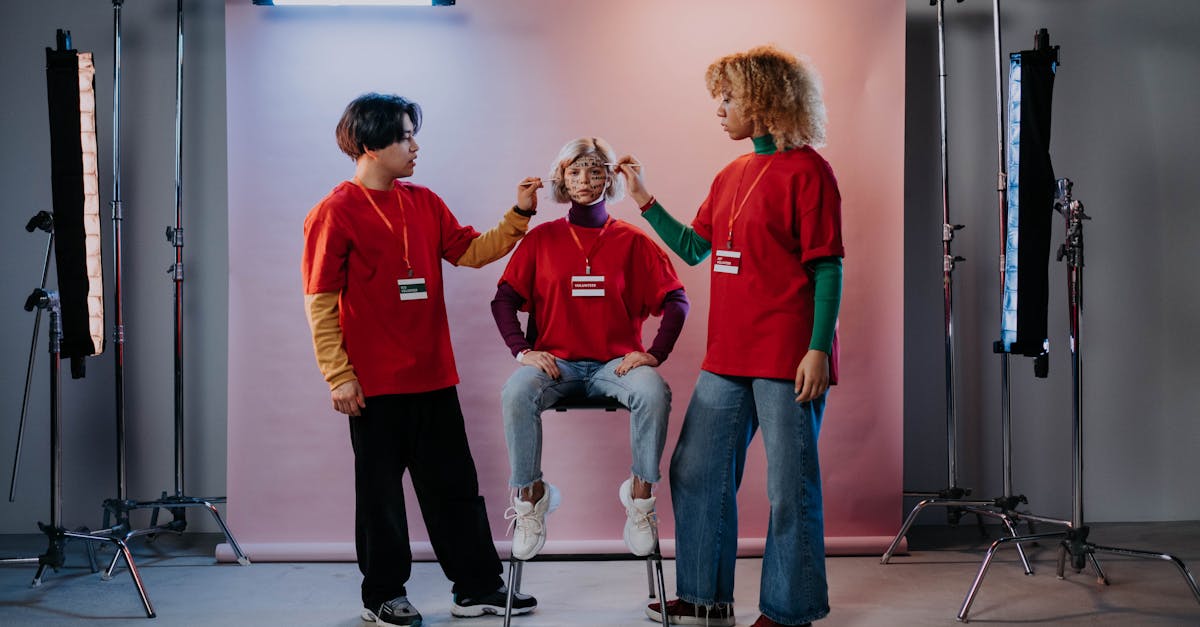
In the ever-evolving world of audiovisual production, art direction is essential for transforming a simple idea into a coherent and impactful visual work. In 2025, where content saturation is at its peak, visual design, aesthetics, and visual storytelling are becoming crucial levers for captivating and retaining audiences. Artistic vision guides the entire project, from the choice of sets to costumes, lighting, and color palette, creating an immersive universe that remains etched in the memory. But why does this discipline occupy such a prominent place in the creative process? How can an audiovisual project leverage strong art direction to stand out? These are questions worth exploring. Because, at a time when the majority of visual works resemble one another, a strong aesthetic identity becomes the key to emerging. Art direction isn’t just about visuals; it also embodies the expression of values, storytelling, and innovation, making each production unique and memorable. This article explores in detail the fundamental role of this discipline to understand how it becomes the driving force behind a successful audiovisual project, capable of making a lasting impression on its audience. With a cohesive creative team, a clear vision, and mastery of visual design, art direction shapes storytelling and brings unforgettable worlds to life. Given the right tools, this approach can transform a simple film or series into a visual work of art whose impact goes far beyond the traditional framework. So, let’s see how this crucial discipline influences each stage of audiovisual creation, making creativity and aesthetics its main allies.
The crucial role of art direction in designing an original visual universe
For an audiovisual project to have a strong identity, everything begins with the design of an original visual universe. Art direction is a bit like the conductor of this aesthetic symphony. Their first mission is to define the style, mood, and atmosphere that will transport the viewer into a world of its own. This step is fundamental because it influences all subsequent decisions: choice of sets, costumes, lighting, colors, etc. In concrete terms, this process relies on a detailed understanding of the narrative, the characters, and the message one wants to convey. For example, in the production of a futuristic film, art direction must invent a credible, innovative, and immersive universe for the audience to believe in it. Whether it’s a fantasy series like “Game of Thrones” Whether it’s a film or a documentary, visual consistency is the foundation of success. Creativity plays a key role in differentiating each production. A good art director draws on cultural, artistic, or historical references to create a style that will leave a lasting impression. The color palette, the density of the sets, or the costumes help bring this unique vision to life. The key? Remaining faithful to the narrative while offering an innovative aesthetic capable of surprising without being overwhelming. A strong visual identity reassures the viewer, making them want to immerse themselves in the story and follow every twist and turn with interest. So, how do you choose the ideal visual universe for a project? The answer often lies in close collaboration between the director, the production designer, and the art director. Coordination between these different players ensures consistency and creativity, for a positive final result. Ultimately, visual design isn’t just about style: it’s true visual storytelling that tells the story as much through what it shows as through how it does it. Explore the world of art direction, where creativity and vision collide to bring unique projects to life. Discover the trends, techniques, and inspirations shaping the contemporary art landscape.How art direction influences visual storytelling and emotion. Have you ever wondered how a simple color palette can change the entire perception of a film? Art direction isn’t limited to pure aesthetics; it works in symbiosis with storytelling to enhance the emotional impact of a project. In 2025, where competition is fierce, it’s no longer enough to tell a story; it must be told in an immersive and visually coherent way. Visual storytelling is the art of conveying emotions through images. Art direction helps create an atmosphere that will support the story and influence the viewer’s state of mind. For example, in “Blade Runner,” the dark lighting, cool color palette, and dystopian urban design help create an oppressive atmosphere, which reflects the soul of the story. A good art director knows how to manipulate these elements to evoke feelings of fear, nostalgia, joy, or tension. The symbiosis between storytelling and visual design creates a multi-layered reading, where every set, costume, or lighting has a profound meaning. Whether it’s an action film or a romantic drama, aesthetics become an extension of the emotion conveyed. Subtlety in the choice of colors, shapes, or lighting represents the true strength of the art director. Conversely, poor coordination could confuse or distract the viewer, or even dilute the impact of the story. Simply put, visual storytelling is the universal language of emotion. By mastering this narrative, art direction becomes a true lever for engagement and memorization. Costumes: a powerful vector of visual identity and storytelling
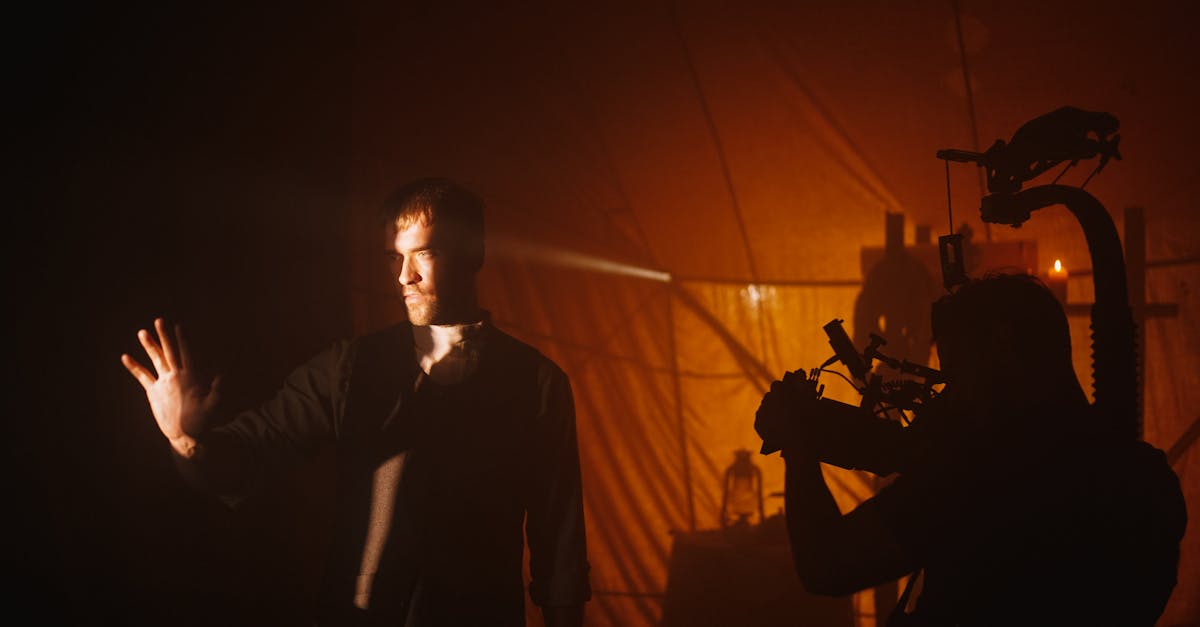
Discover the importance of art direction in visual creation. Learn how it shapes a brand’s identity, harmonizes graphic elements, and enriches the user experience in various creative fields.
Sets and lighting: keys to immersion and aesthetic consistency Imagine yourself in a film where every scene seems disconnected from the universe described by the story. Art direction, along with set design and lighting, plays a role in creating total immersion. In 2025, where virtual reality also influences storytelling, these elements are more important than ever. Lighting serves not only to illuminate a scene, but also to shape the atmosphere, accentuating suspense or tenderness. Cool lighting can enhance a dystopian atmosphere, while warm lighting promotes intimacy. As for sets, they must follow an internal logic, reflecting the atmosphere and the narrative. Take the example of“The Grand Budapest Hotel”
. Every detail, from the furniture to the colors, contributes to building a fanciful and stylized world. Aesthetic consistency between set design and lighting guarantees total immersion. Moreover, mastering these elements allows for emotional delivery at a low cost. The right set design or carefully thought-out lighting can transform a banal scene into a memorable moment. The mechanics are simple: everything must work together to bring the story to life. Creative direction, combined with precise planning, helps make the audiovisual project a coherent and compelling visual work. A modest budget shouldn’t overshadow the importance of this coherence for the final impact.
Discover the world of art direction, where creativity meets visual strategy. Explore the trends, techniques, and inspirations that shape the aesthetics of artistic and commercial projects. Resource management and creativity in productionManaging an audiovisual project also means knowing how to optimize resources while remaining faithful to the artistic vision. The artistic director must juggle innovation, budgetary constraints, and creative desires to produce a coherent result. In 2025, digitalization offers new opportunities to innovate without blowing the budget. For example, using augmented reality or post-production techniques to enrich visual design helps maximize creativity while controlling costs. Resource management also includes negotiating with suppliers: materials, costumes, sets, or image processing software. The key? Prioritizing the elements that have the greatest impact on the storytelling, such as costumes or lighting, to avoid distracting attention. When we look at {jobs related to audiovisual production.java}, we see that planning each step is essential to avoid wasting time and money. Creativity should not be limited to aesthetics; it must also rely on innovative solutions to improve quality. Whatever the project, rigorous management combined with a strong dose of originality allows for the creation of a visually striking work, even on a limited budget. The ability to innovate while respecting financial constraints is an integral part of the artistic director’s job. Coordination and supervision: ensuring consistency throughout the project For each visual element to work together, collaboration between the various stakeholders is essential. The art director must coordinate the technical teams, set designers, stylists, and the director to ensure that everything forms a cohesive unit. In 2025, mastery of digital tools facilitates this communication, allowing for real-time monitoring of artistic choices. Supervision during filming is a key step: it ensures the precise placement of sets, respect for colors, and the adaptation of costumes. The ability to react quickly to unforeseen events—whether a script change or a technical problem—is essential to maintain consistency. Flexibility and responsiveness form the backbone of this stage. After filming, supervision continues during post-production, where color retouching or adjustments to visual effects must respect the initial vision. These processes require a keen understanding of aesthetics and the ability to enforce creative consistency. The success of an audiovisual project often stems from the ability to maintain a precise course while incorporating innovation, resulting in a final result that meets expectations.

Once filming is complete, the true magic of art direction happens during the post-production phase. This is when work on colorimetry, special effects, and editing will reveal the full power of visual storytelling. Aesthetic consistency, respect for visual design choices, and consolidation of the created universe take on their full meaning. In 2025, the use of advanced color correction and artificial intelligence tools allows for even more refined images while reinforcing the emotional impact. The art director continues to collaborate with the editors to ensure that each shot, each transition, conveys the same atmosphere. For example, a dark scene can be intensified with cool shades of color, heightening the tension. Post-production is not just a technical step; it is also a strategic moment where every detail must respect the creative vision. When necessary, revisions are made to ensure that the final result transcends mere aesthetics to become a cohesive sensory experience. Mastering this step can make all the difference, transforming an effective audiovisual work into a true visual masterpiece.
How art direction contributes to innovation and differentiation In a saturated audiovisual world, having a good story is no longer enough. To stand out from the crowd in 2025, you need to innovate in visual design, break the mold, and surprise audiences. Artistic direction is therefore becoming a real lever for innovation. It allows for the creation of bold visual universes and the experimentation of new materials or techniques, such as virtual reality or artificial intelligence applied to design. Creativity in the design of sets, costumes, or special effects paves the way for productions that leave a lasting impression. For example, some films are increasingly using interactive scenography or immersive technologies to offer a multi-sensory experience. The goal is to deliver a visual narrative that goes beyond the image to imbue the viewer with a unique atmosphere. Boldness and innovation in artistic direction also make it possible to engage viewers differently and increase their loyalty. In short, it is through this constant search for originality that a project can become a benchmark, or even inspire an entire generation. The key lies in the ability to integrate technology while remaining faithful to a strong artistic direction. Surprise, novelty, and artistic consistency are the key words for a production that will make waves in 2025.Training and the profession of artistic director: a blend of art, technique, and management
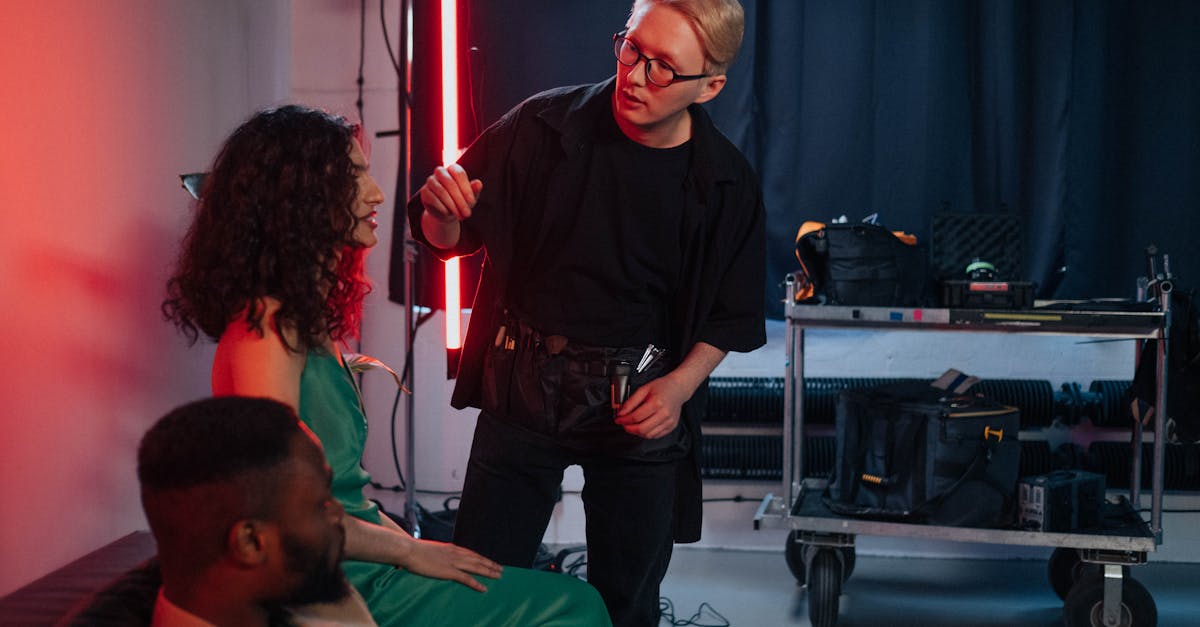
BTS Audiovisual
, offers a solid foundation combining technique and creativity. The profession also requires a strong ability to manage a team, negotiate, and meet strict deadlines. Creativity is the AD’s primary weapon, but they must also master image processing software, understand composition, and be familiar with current aesthetic trends. Project management, understanding technical constraints, and communicating with the team are integral parts of the role. In practice, a good art director must balance artistic vision with the reality of production. Training must also include internships or practical experience to understand the profession as a whole. In 2025, the profession will be enriched with new skills related to digitalization and the integration of new technologies. The key to success is maintaining a strong artistic approach while being able to adapt to the constantly evolving industry. https://www.youtube.com/watch?v=Gs6kdTJ3deA
Some tips for optimizing collaboration with a creative team
For an audiovisual project to reach its full potential, collaboration between the artistic director and the creative team must be seamless. Communication is the essential foundation to avoid misunderstandings or artistic differences. Here are some tips to optimize this synergy:
🤝
Clarify the vision
from the start: an initial meeting to clearly define expectations
🎨
Promote creative exchange
: workshops, brainstorming sessions, to stimulate creativity 📝Document each step
⚙️
Use collaborative tools
- : Trello, Frame.io, or Google Drive to share and track progress 🎯 Maintain flexibility
- : accept that adjustments may be necessary along the way A cohesive and well-managed team allows for the development of innovative ideas while respecting the initial specifications. Creativity is not born in isolation, but in synergy. In 2025, the collective remains the best weapon for bringing an original and striking visual work to life. Frequently asked questions about the strategic role of art direction in an audiovisual project
- ❓ Why is art direction so important for an audiovisual project? Because it defines the visual identity, strengthens the narrative, and creates an immersion that leaves a lasting impression on the audience. Without a strong vision, the project can lose its impact and originality. ❓ How can an art director differentiate himself from the competition?
- By proposing an innovative aesthetic, creating a cohesive visual design, and integrating new technologies to surprise and retain the viewer. ❓ What skills are needed to become a good art director? Artistic and technical mastery, the ability to manage a team, a good dose of creativity, and knowledge of the audiovisual sector and trends. ❓ Is training essential to enter this profession?
- Yes, a solid education such as a BTS Audiovisual or a specialized school provides the technical and artistic foundations. However, experience and curiosity also play a key role. ❓ How can you work effectively with a creative team for an audiovisual project? By fostering communication, being clear about the vision from the outset, using collaborative tools, and remaining flexible when faced with adjustments.